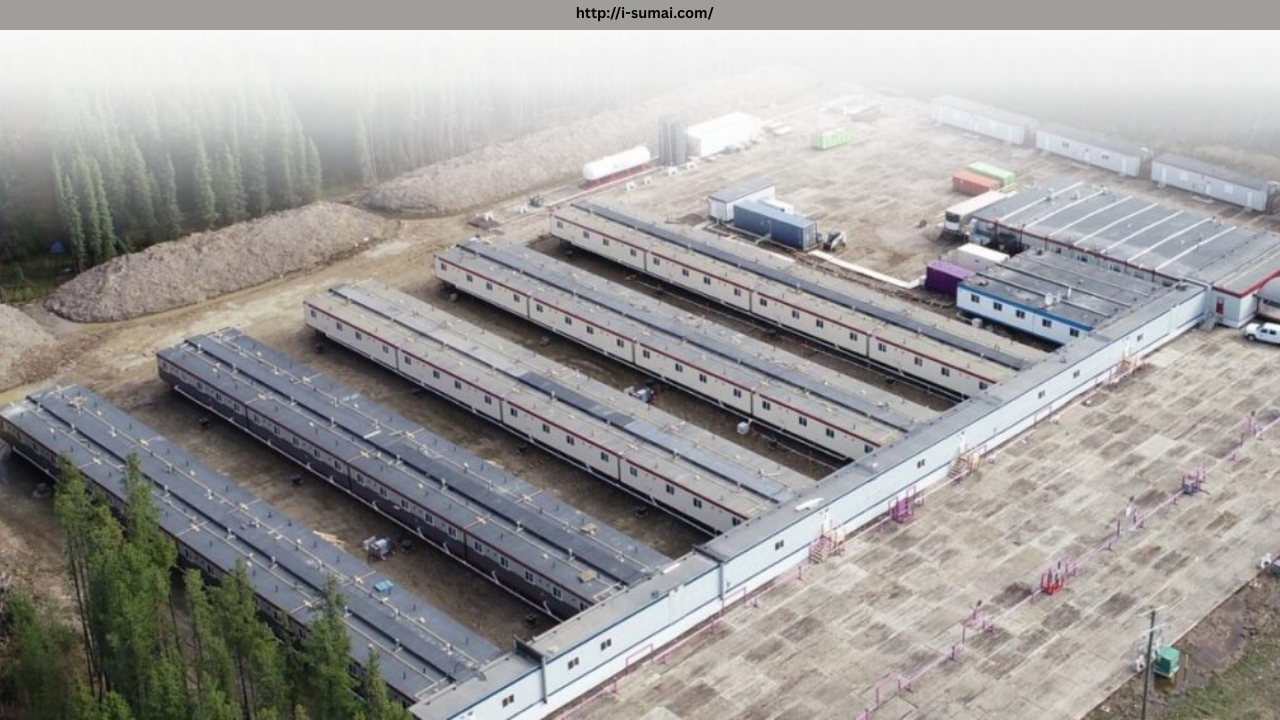
The remote work camps of Canada’s oil and gas industry are essential to the country’s energy sector, housing thousands of workers who keep the engines of extraction and production running. These camps, often located far from urban centers, are designed for efficiency and productivity—but they also foster environments where mental health challenges and substance abuse can thrive. Among the most pressing concerns is opioid addiction, a growing crisis fueled by isolation, job-related stress, and limited access to care.
Life in Remote Work Camps
Life in oil sands camps is marked by long shifts, harsh weather, and prolonged separation from family and friends. Workers often operate on rotational schedules—two weeks on, one week off—and live in tightly controlled environments where personal freedom is minimal and social opportunities are scarce. This isolation can have serious psychological consequences, including anxiety, depression, and feelings of disconnection.
To cope, some workers turn to alcohol, while others rely on prescription medications, particularly opioids, often initially used for managing pain from workplace injuries. Over time, misuse of these substances can evolve into addiction, exacerbated by the lack of access to mental health support and the stigma surrounding seeking help.
The Role of Opioids
Opioid use has become a significant issue in Canada’s remote oil work camps. The physically demanding nature of oil and gas work leads to a high incidence of injury. In many cases, workers are prescribed opioids for pain management without proper monitoring or alternative treatment plans. Prolonged use, especially in isolated settings without adequate support systems, can lead to dependency.
In some cases, illicit opioids such as fentanyl have made their way into work camps, increasing the risk of overdose. Without timely access to emergency care, these overdoses can be fatal, making opioid addiction not just a personal crisis but a critical safety issue.
Industry and Community Responses
Recognizing the severity of the problem, companies and health authorities have begun implementing strategies to address addiction in remote camps. Some oil companies now provide on-site medical support, including addiction counseling and access to prescription alternatives to opioids. Naloxone kits, which reverse the effects of opioid overdoses, are increasingly available in camps and are included in safety training programs.
Employee Assistance Programs (EAPs) are also being promoted, offering confidential counseling and support services. These programs aim to destigmatize mental health issues and addiction, encouraging workers to seek help early. Some camps have even introduced peer support networks, where trained workers provide informal counseling and act as a bridge to professional care.
Moving Forward
Addressing addiction in Canada’s remote oil work camps requires a multifaceted approach that combines prevention, education, harm reduction, and access to treatment. Companies must continue to invest in mental health resources and create environments where asking for help is not seen as a weakness but a strength.
Ultimately, the health and safety of the workforce must be treated as a core part of operational success. By acknowledging the connection between isolation, injury, and opioid abuse, and responding with compassion and comprehensive care, the oil industry can take meaningful steps toward combating addiction in its most vulnerable communities.