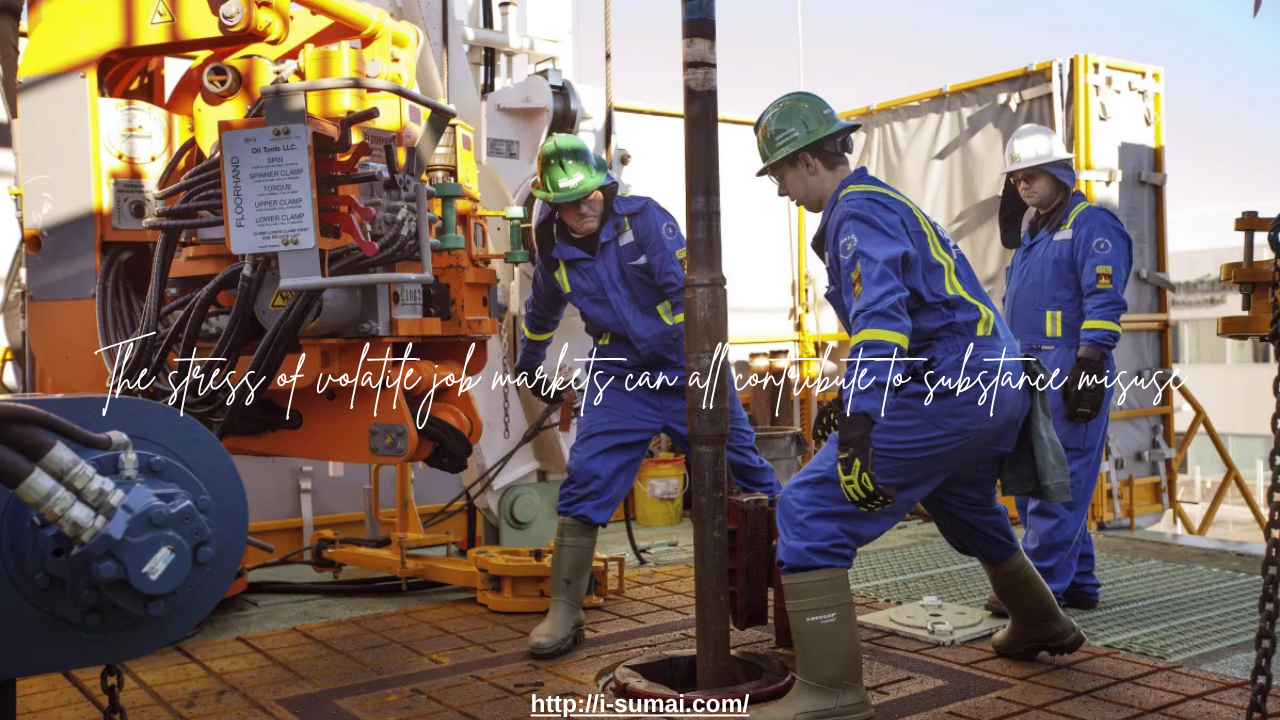
The oil and gas industry has long been a cornerstone of Canada’s economy, employing thousands of workers across the country. While the sector offers competitive wages and steady employment, it also presents a unique set of challenges—remote job sites, high-pressure environments, and physically demanding work. For many oil and gas workers, these factors contribute to an increased risk of mental health struggles and substance use. In recent years, growing awareness has spurred the development of recovery programs tailored specifically to the needs of workers in this demanding field.
Understanding the Problem
Addiction doesn’t occur in a vacuum. In the oil and gas industry, extended time away from family, physical injuries, isolation, and the stress of volatile job markets can all contribute to substance misuse. Opioids are often prescribed for pain relief following workplace injuries, but over-reliance can quickly lead to dependency. Alcohol use is also common in some work cultures as a way to unwind after long shifts.
Unfortunately, the stigma surrounding addiction—particularly in traditionally “tough” industries like oil and gas—prevents many workers from seeking help. Fear of job loss, shame, or being perceived as weak can delay or prevent recovery altogether. That’s why industry-specific support systems are critical.
Tailored Recovery Solutions
Recognizing these challenges, several Canadian recovery programs now cater specifically to oil and gas workers. These programs take into account the unique lifestyle and stressors faced by those in the industry, offering flexible treatment options and support that align with rotational work schedules.
In-patient treatment centers located near major oil regions like Alberta have seen an increase in admissions from oil and gas workers. These centers offer detoxification, therapy, medical supervision, and peer support in a structured environment. For those unable to attend in-patient care, out-patient and virtual treatment programs are increasingly popular, allowing individuals to receive support without leaving their jobs for extended periods.
Some programs also incorporate culturally relevant and occupation-specific components, such as group therapy sessions focused on coping strategies for remote work or dealing with job-related injuries. These tailored approaches make the treatment more relatable and effective.
Industry and Union Support
Industry leaders are beginning to realize that recovery is not only a personal issue but a workplace one. More companies are partnering with recovery centers and mental health organizations to offer confidential support services. Employee Assistance Programs (EAPs) now often include addiction counseling and direct referrals to treatment.
Unions, too, have stepped in, advocating for better addiction support and protection against discrimination for those in recovery. Some have even launched their own recovery networks and wellness initiatives aimed at supporting members through the healing process.
Changing the Culture
Perhaps the most important shift has been the slow dismantling of the stigma surrounding addiction in the industry. By promoting recovery stories and encouraging open discussions about mental health, a more compassionate and proactive culture is emerging. This is essential to breaking the cycle of addiction and fostering long-term recovery.
Conclusion
Recovery is not a one-size-fits-all journey—especially in an industry as unique and demanding as oil and gas. By developing targeted, flexible recovery programs and supporting cultural change within the workplace, Canada’s energy sector is taking meaningful steps to support its workforce. Breaking the cycle of addiction starts with understanding, and ends with action—and for many oil and gas workers, that action is already underway.