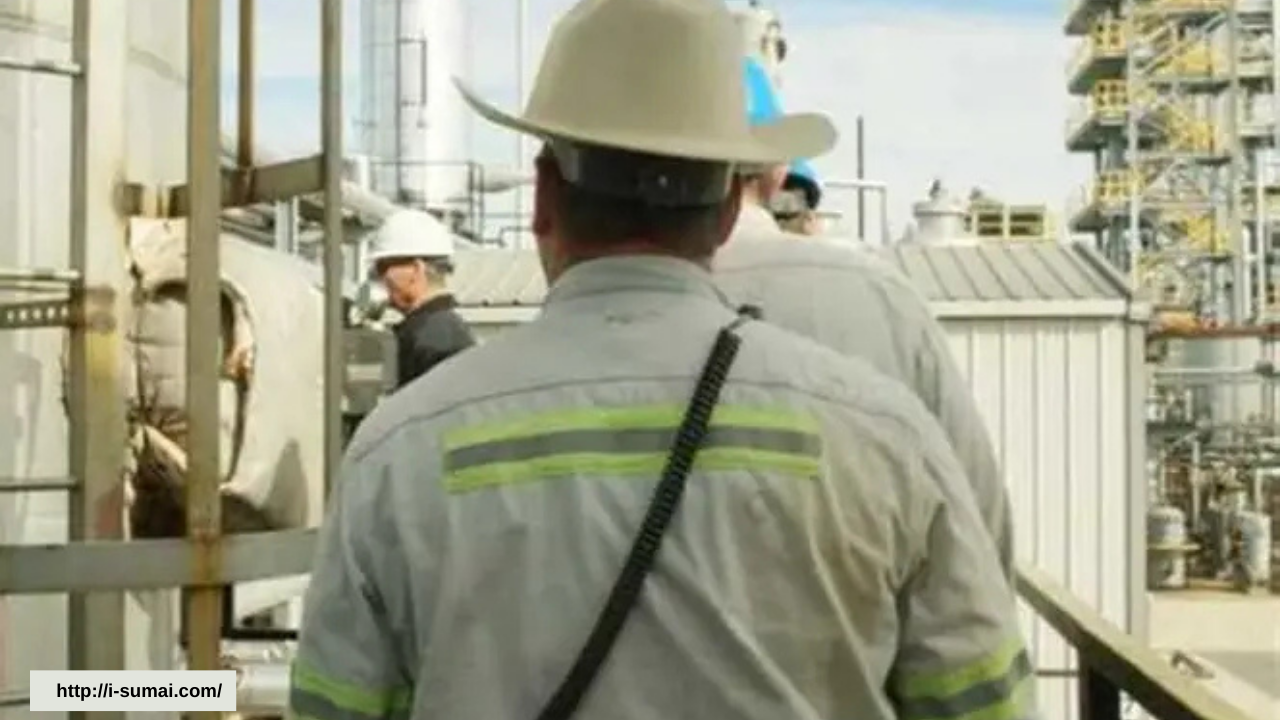
The oil sands industry has long been a symbol of opportunity and prosperity in Canada. Yet behind the economic boom lies a quieter struggle that affects thousands of workers and their families: addiction. Long shifts, weeks away from home, and the emotional toll of remote camp life often create conditions where drug and alcohol use can take root. Today, however, workers in the oil sands are finding new hope as addiction recovery services and mental health programs step in to offer compassionate, effective solutions.
Understanding the Pressures of Oil Sands Work
Working in the oil sands is not like a typical nine-to-five job. Many workers spend extended periods in remote camps, separated from loved ones and familiar support networks. These conditions can lead to loneliness, stress, and fatigue. Injuries sustained from physically demanding labor may also result in prescription medications that, without proper guidance, carry the risk of dependency.
When combined with limited recreational opportunities and the cultural normalization of alcohol in some settings, these factors create a perfect storm for substance abuse. For many workers, what begins as a way to cope can become an ongoing struggle that feels impossible to overcome alone.
A Shift Toward Compassionate Support
The conversation around addiction in the oil sands is changing. Rather than treating substance use as a disciplinary issue, more organizations are beginning to recognize it as a health condition that requires understanding and professional care. This shift is vital because stigma has long been one of the biggest barriers preventing workers from asking for help.
Treatment providers are stepping in with programs designed to meet the unique needs of oil sands workers. By offering both inpatient and outpatient care, recovery services give individuals the flexibility to choose the path that works best for their situation. Inpatient programs provide a safe, structured environment for healing, while outpatient programs allow workers to stay engaged with their jobs and families while receiving ongoing support.
Holistic and Individualized Approaches
Effective recovery is never one-size-fits-all. Oil sands workers are finding hope through holistic and individualized treatment models that consider the whole person, not just the addiction. These approaches integrate medical care, counseling, and wellness practices that address the mind, body, and spirit.
Some programs also incorporate faith-based elements for those who draw strength from spiritual connection. Others focus on mindfulness, nutrition, and physical fitness as part of a comprehensive plan. By tailoring recovery to each individual’s needs, these programs foster long-term healing rather than short-term fixes.
Building a Safer and Healthier Workforce
Supporting workers through addiction recovery is not only beneficial to individuals but also to the entire oil sands industry. A healthier workforce means improved safety on job sites, stronger productivity, and reduced turnover. Employers who embrace recovery support also contribute to a culture of compassion and accountability, showing workers that their well-being truly matters.
Practical Steps Making a Difference
- On-site counseling and mental health support in camps.
- Access to Employee Assistance Programs (EAPs) for confidential help.
- Training and education to reduce stigma and promote early intervention.
- Peer support groups where workers can connect with others facing similar struggles.
These resources are transforming the way addiction is addressed, creating an environment where seeking help is seen as a sign of strength.
A Path Toward Hope
Addiction in the oil sands is a serious challenge, but it is not an insurmountable one. With compassionate care, holistic treatment, and individualized support, workers are finding their way from crisis to recovery. If you or someone you love is struggling, reaching out for help is the first step toward a healthier, more fulfilling life. Support is available, and a brighter future is possible.