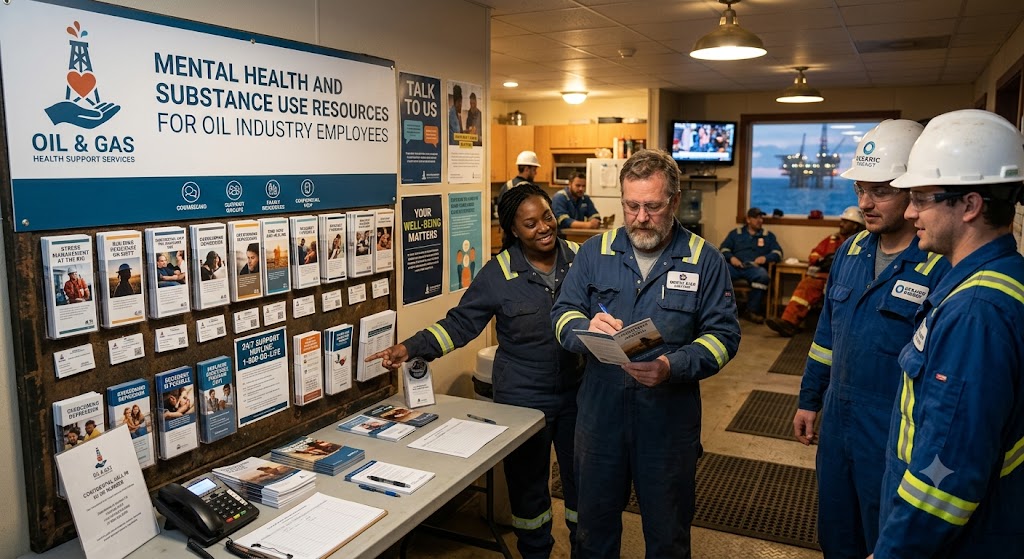
Canada’s oil industry has long been recognized for its hardworking professionals, demanding environments, and commitment to safety. Yet an equally important conversation is gaining momentum across the sector. Mental health and substance use are no longer topics that remain hidden behind workplace culture or personal struggles. More employers, healthcare professionals, and addiction treatment providers are recognizing that supporting workers’ emotional well-being is just as important as protecting their physical safety. By expanding access to mental health care and addiction recovery services, Canada’s oil industry is helping employees find hope, healing, and long-term wellness.
For individuals working in remote camps, operating heavy equipment, or managing physically demanding schedules, the pressures of the job can be significant. Fortunately, comprehensive treatment options that include inpatient care, outpatient services, holistic therapies, faith-based support, and individualized treatment planning are making recovery more accessible than ever before.
Why Mental Health Matters in the Oil Industry
Working in the oil and gas sector requires focus, resilience, and endurance. Employees often face extended shifts, harsh weather conditions, demanding physical labor, and long periods away from family. These challenges can gradually affect emotional health and increase the risk of anxiety, depression, burnout, and substance use.
When stress remains unaddressed, some individuals may begin relying on alcohol or drugs to cope with emotional or physical discomfort. Although these substances may offer temporary relief, they often create larger challenges over time.
Common Workplace Stressors
Several factors contribute to increased mental health risks within the industry:
- Long rotations away from home
- Physically demanding work that can result in chronic pain
- Rotating schedules that disrupt healthy sleep
- High-pressure environments where mistakes carry significant consequences
- Isolation from family, friends, and community support
Recognizing these realities allows both employers and treatment providers to develop more effective support systems.
Breaking the Stigma Around Addiction
One of the greatest barriers to recovery is stigma. Many workers worry that seeking help could affect their careers or change how coworkers view them. This fear often delays treatment until problems become more severe.
Fortunately, attitudes are changing throughout Canada’s oil industry.
Creating a Culture That Encourages Support
Many organizations are working to normalize conversations about mental health and addiction by:
- Providing mental health education
- Training supervisors to recognize warning signs
- Expanding Employee Assistance Programs
- Encouraging confidential access to counseling
- Promoting workplace wellness initiatives
These efforts help employees understand that addiction is a medical condition that deserves compassionate, professional care.
Comprehensive Addiction Recovery Services
Successful recovery requires more than simply stopping substance use. Effective treatment addresses the emotional, psychological, physical, and spiritual aspects of healing.
Inpatient Treatment Programs
For individuals experiencing severe substance use disorders or co-occurring mental health conditions, inpatient treatment provides intensive support in a structured environment.
Benefits of inpatient care include:
- Medical supervision when appropriate
- Individual counseling
- Group therapy
- Relapse prevention education
- Mental health treatment
- Safe and supportive recovery settings
This level of care allows individuals to focus completely on healing while stepping away from everyday stressors.
Outpatient Treatment Programs
Outpatient services provide flexibility for individuals who wish to continue working or caring for family while receiving professional treatment.
These programs often include:
- Individual therapy
- Group counseling
- Family therapy
- Ongoing recovery planning
- Continued mental health support
Outpatient treatment helps individuals strengthen recovery skills while applying them in everyday life.
Addressing Mental Health Alongside Addiction
Mental health disorders and substance use frequently occur together. Anxiety, depression, trauma, and chronic stress often contribute to addiction, making integrated treatment essential.
Dual Diagnosis Care
Comprehensive treatment programs address both conditions simultaneously through evidence-based therapies such as:
- Cognitive behavioral therapy
- Trauma-informed counseling
- Stress management strategies
- Emotional regulation training
- Relapse prevention planning
Treating the whole person creates a stronger foundation for lasting recovery.
Holistic and Faith-Based Healing
Recovery extends beyond clinical care. Many individuals benefit from holistic services that support overall wellness and personal growth.
Healing Mind, Body, and Spirit
Holistic treatment may include:
- Mindfulness and meditation
- Physical wellness activities
- Nutritional counseling
- Healthy sleep education
- Stress reduction techniques
These services help individuals develop healthy routines that support long-term recovery.
Finding Strength Through Faith
For many people, spiritual wellness provides comfort, purpose, and hope during difficult times. Faith-based recovery services offer opportunities to strengthen personal beliefs while complementing evidence-based addiction treatment.
When combined with professional counseling, spiritual care can provide additional motivation and emotional resilience throughout recovery.
Why Individualized Treatment Makes a Difference
Every person’s recovery journey is unique. Factors such as work responsibilities, family dynamics, mental health history, and personal goals all influence treatment needs.
Personalized Recovery Planning
Individualized treatment plans may include:
- Comprehensive mental health assessments
- Flexible scheduling based on work demands
- Family involvement when appropriate
- Specialized therapy approaches
- Long-term recovery planning
Tailoring treatment to each individual’s circumstances helps improve engagement, confidence, and lasting success.
The Importance of Ongoing Support
Recovery is not a single event. It is a lifelong process that benefits from continued encouragement and connection.
Employers, families, healthcare professionals, and recovery communities all contribute to long-term healing. As more workplaces prioritize mental health resources and reduce stigma surrounding addiction, employees are finding it easier to ask for help before reaching a crisis.
Strong support systems help individuals maintain recovery while improving workplace safety, family relationships, and overall quality of life.
A Future Built on Compassion and Recovery
The conversation surrounding mental health and substance use in Canada’s oil industry continues to evolve in positive ways. More organizations are recognizing that healthy employees create stronger teams, safer workplaces, and healthier communities.
If you or someone you care about is struggling with addiction or mental health challenges, remember that effective treatment is available. Comprehensive recovery programs that combine evidence-based care, inpatient and outpatient services, holistic therapies, faith-based support, and individualized treatment can provide the tools needed for lasting change.
Reaching out for help is not a sign of weakness. It is a courageous decision that opens the door to healing, renewed purpose, and a healthier future. With compassionate support and professional guidance, recovery is possible, and a better tomorrow can begin today.