Life in Canada’s oil sands can be both rewarding and demanding. Workers often face long shifts, weeks of separation from family, and the emotional strain of living in remote camps. These unique challenges, while part of the job, can lead to mental health struggles and increase the risk of substance abuse. Addiction in isolation has become a pressing issue in the oil sands sector, but the encouraging news is that new mental health responses and recovery programs are beginning to change lives.
Understanding the Link Between Isolation and Addiction
Oil sands workers often spend extended periods in remote locations where access to community, recreation, and personal support systems is limited. This isolation can lead to feelings of loneliness, anxiety, or depression. For some, alcohol or drugs become a way to manage stress, physical pain, or the emotional burden of distance from loved ones.
Unfortunately, what starts as a coping mechanism can quickly turn into dependence. Substance abuse not only affects personal health but also poses safety risks in an environment where heavy machinery and demanding physical labor require full attention. Recognizing these risks has pushed both employers and healthcare providers to find solutions that prioritize worker well-being.
Moving Toward Compassionate, Professional Support
In the past, addiction in the oil sands was often seen as a disciplinary issue rather than a health concern. Today, the conversation has shifted. Employers, treatment providers, and unions are increasingly acknowledging that addiction is a complex condition that requires care and understanding. This change in perspective is vital, as it reduces stigma and encourages more workers to seek help without fear of losing their jobs or being judged.
Innovative Mental Health Responses
Inpatient and Outpatient Care Options
Workers now have access to a range of recovery services designed to fit their needs. Inpatient care provides a safe, structured space for intensive healing, while outpatient programs allow individuals to continue working while receiving consistent therapy and support.
Holistic and Faith-Based Approaches
Recovery programs in the oil sands are moving beyond traditional models to embrace holistic care. This means addressing not only the physical aspect of addiction but also the mental, emotional, and spiritual dimensions. Some programs offer mindfulness training, fitness, and nutritional counseling, while others provide faith-based support for those who draw strength from spirituality.
Individualized Treatment Plans
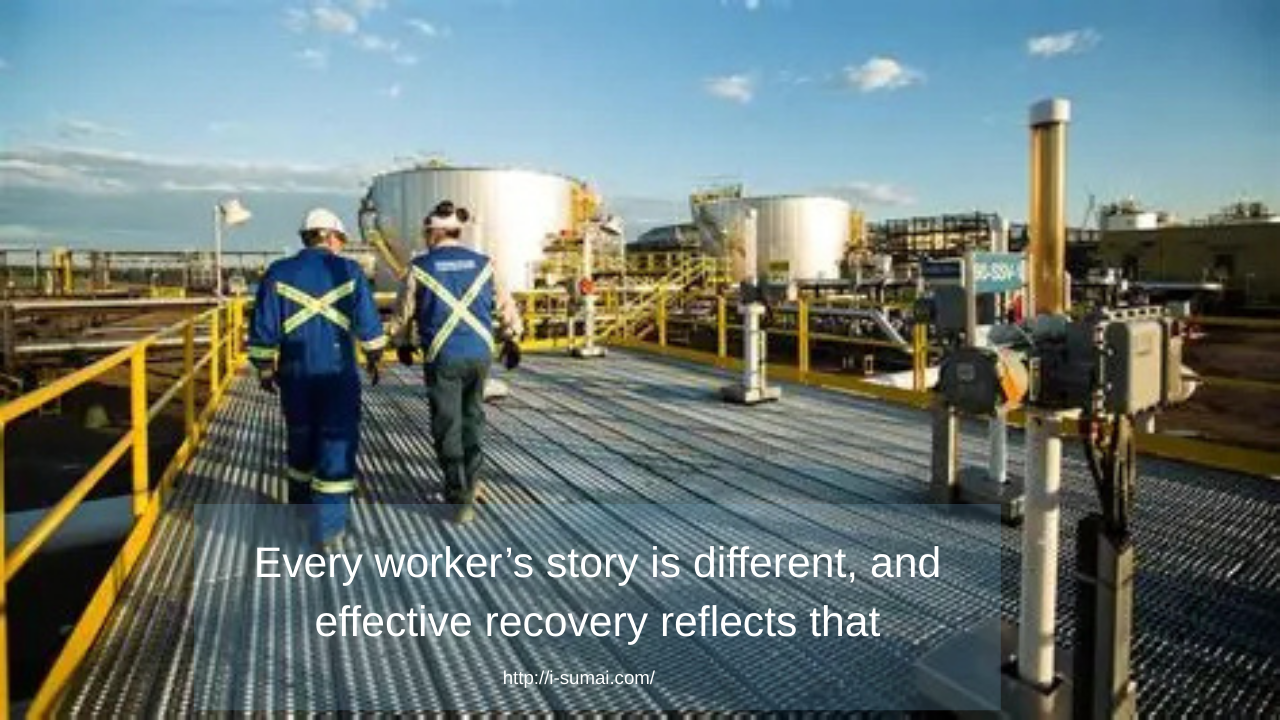
Every worker’s story is different, and effective recovery reflects that. Individualized treatment plans ensure that workers receive care tailored to their unique challenges, whether it involves managing pain from injuries, overcoming trauma, or reconnecting with family support systems.
Building a Culture of Care in the Oil Sands
Employers are playing an active role in creating healthier environments. Many camps now offer Employee Assistance Programs (EAPs), confidential counseling services, and peer support networks. Some have even introduced wellness coordinators and on-site mental health professionals. These initiatives help normalize conversations about addiction and mental health, making it easier for workers to reach out for help before a crisis develops.
From Isolation to Healing
Addiction in the oil sands is a serious issue, but it does not have to define the lives of workers or their families. With compassionate care, holistic treatment, and individualized support, recovery is possible even in the most challenging environments. If you or someone you know is struggling with addiction in the oil sands, help is available. Taking the first step toward treatment can turn isolation into an opportunity for healing, growth, and renewed hope.