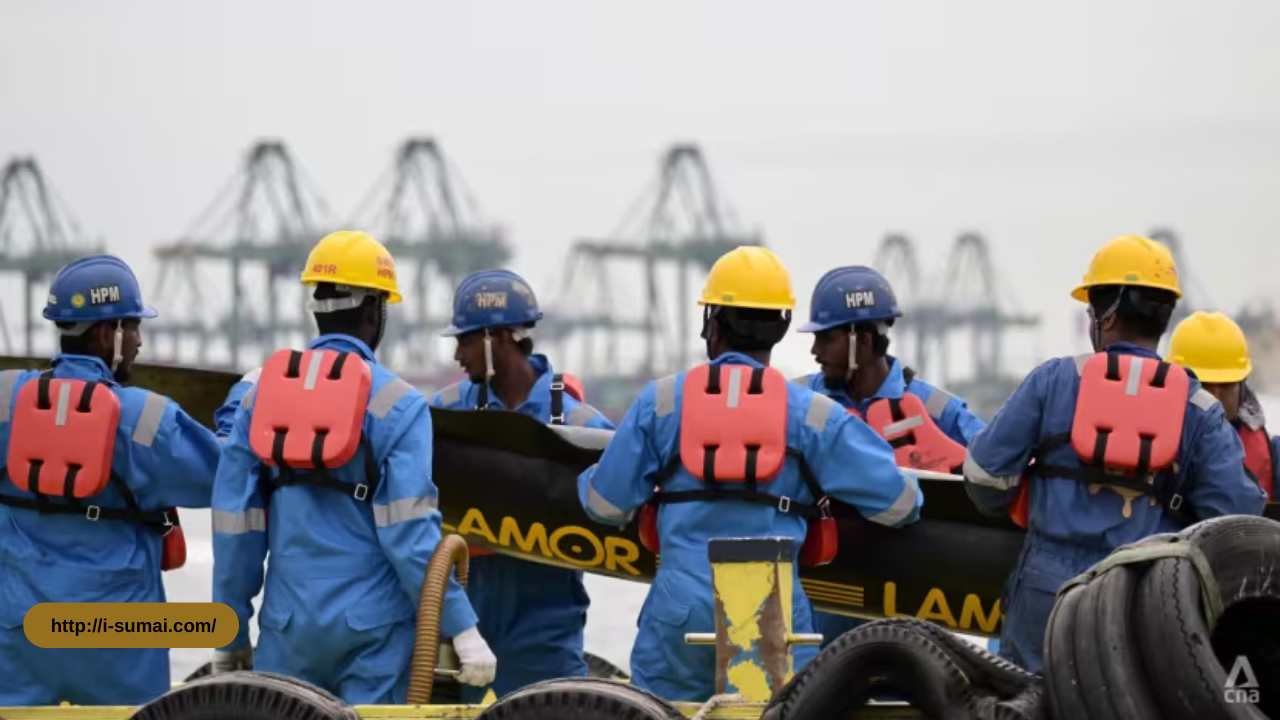
Substance abuse in Canada’s oil sands has long been a hidden crisis. Workers endure long shifts, extended time away from loved ones, and the emotional toll of isolation in remote camps. These conditions can make individuals more vulnerable to turning to drugs or alcohol as a way to cope. For years, addiction in the oil sands was often kept quiet, but now the silence is being broken. Support systems are emerging to help workers heal, recover, and reclaim their lives.
The Pressures of Oil Sands Work
Life in the oil sands is physically demanding and emotionally taxing. Shifts often stretch over 12 hours, with rotations that can keep workers away from home for weeks at a time. The isolation of remote camps leaves few outlets for stress, and when combined with the culture of toughness in the industry, many workers feel pressure to hide their struggles rather than seek help.
Unfortunately, this silence can intensify the cycle of addiction. Substance use may begin as a temporary relief but can quickly develop into dependency, creating risks not only for the worker’s health but also for workplace safety. Recognizing these realities is the first step toward building effective support systems.
Shifting the Perspective on Addiction
One of the most important changes in recent years has been the shift in how addiction is viewed. Rather than treating it as a disciplinary problem, companies and recovery providers are acknowledging it as a health condition that requires compassion and professional care. This cultural change has opened the door for more workers to seek help without fear of stigma or job loss.
Support Systems Making a Difference
Inpatient and Outpatient Care
Recovery options now include both inpatient and outpatient care. Inpatient programs provide a structured environment where individuals can step away from the pressures of camp life and focus fully on healing. Outpatient care offers flexibility, allowing workers to maintain employment while receiving consistent support through therapy, group sessions, and counseling.
Holistic and Faith-Based Programs
Support systems are expanding beyond traditional approaches. Holistic recovery programs recognize the need to address mind, body, and spirit together. Services may include physical wellness plans, mindfulness practices, or spiritual guidance for those who want faith-based recovery. This whole-person approach ensures deeper healing and resilience.
Individualized Treatment Plans
Every worker faces unique challenges. Some may struggle with trauma, while others cope with chronic pain or family separation. Individualized treatment plans are designed to meet each person where they are, creating a path to recovery that feels personal, achievable, and sustainable.
Building a Culture of Care in the Oil Sands
Employers are increasingly investing in mental health initiatives. Employee Assistance Programs (EAPs), confidential counseling services, and on-site wellness resources are becoming more common. Peer support groups also provide workers with a safe space to share experiences and encouragement, helping to reduce the isolation that often fuels addiction.
Hope and Healing Beyond the Silence
The days of suffering in silence are beginning to fade as more support systems emerge for oil sands workers battling substance abuse. Addiction is not a weakness but a call for care, and with professional help, compassionate treatment, and holistic approaches, recovery is within reach. If you or someone you know is struggling, the first step toward healing is reaching out. Support is available, and no one has to face this journey alone.