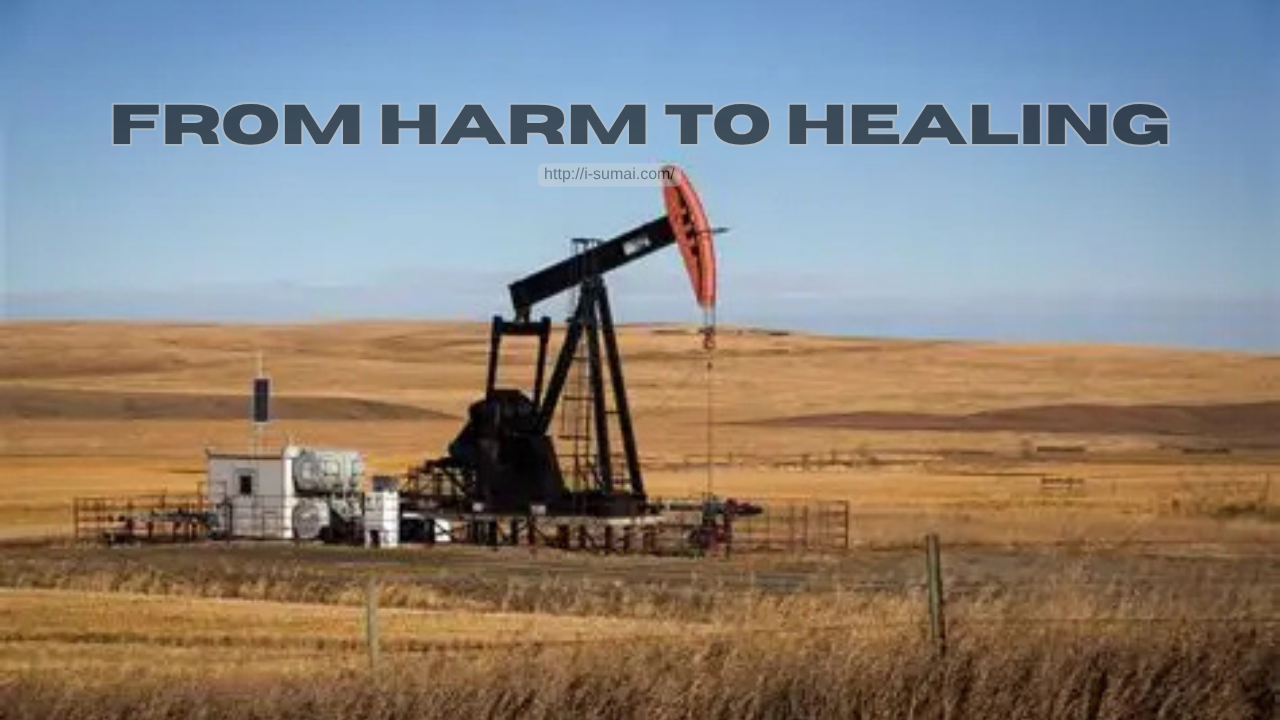
The oil sands industry is a cornerstone of Canada’s economy, providing jobs and driving growth across the country. Yet beneath the economic boom lies a pressing human challenge: addiction among workers. Long shifts, remote work camps, physical strain, and isolation create conditions where drug and alcohol use can become a coping mechanism. Left unaddressed, substance abuse affects not only individual health but workplace safety and productivity. Today, however, a combination of innovative recovery programs, mental health support, and holistic care is helping workers move from harm to healing.
Understanding the Addiction Challenge in the Oil Sands
Workers in the oil sands face unique pressures. Rotational schedules keep employees away from family and community for weeks at a time. Physically demanding labor increases the risk of injuries, which sometimes leads to prescription medication use that can develop into dependency. Emotional stress, social isolation, and limited access to recreational outlets further contribute to vulnerability.
The result is a workforce at risk for substance abuse, with impacts that extend beyond personal health. Safety risks, reduced productivity, and increased stress on colleagues make addiction a concern for the entire industry.
Shifting Perspectives: Treating Addiction as a Health Issue
Historically, addiction in the oil sands was often treated as a disciplinary problem. Today, that perspective is changing. Employers and recovery providers increasingly recognize addiction as a complex health condition that requires empathy, professional treatment, and individualized care. Reducing stigma and creating safe spaces for workers to seek help are critical steps in encouraging early intervention and long-term recovery.
Recovery Programs Tailored to Oil Sands Workers
Inpatient and Outpatient Care
Recovery programs for oil sands workers now include both inpatient and outpatient options. Inpatient care offers a structured, immersive environment where individuals can focus entirely on recovery, while outpatient programs provide flexibility for workers to continue their professional responsibilities while attending therapy sessions, counseling, and group support.
Holistic and Faith-Based Approaches
The most effective recovery programs consider the whole person. Holistic approaches integrate mental health counseling, physical wellness, mindfulness practices, and nutrition guidance to support overall well-being. For workers seeking spiritual guidance, faith-based programs provide an additional layer of support, fostering hope, resilience, and inner strength.
Individualized Treatment Plans
No two recovery journeys are the same. Personalized treatment plans address each worker’s specific challenges, whether related to trauma, chronic pain, or the emotional strain of isolation. This tailored approach ensures that recovery strategies are practical, effective, and sustainable.
Building a Supportive Culture in the Workplace
Employers are taking a proactive role in promoting wellness. Employee Assistance Programs, confidential counseling, peer support groups, and on-site wellness coordinators are becoming standard in many work camps. Education and awareness initiatives help supervisors and colleagues recognize early warning signs and provide guidance, creating an environment where workers feel supported and empowered to seek help.
From Struggle to Strength
Addiction in the oil sands is a serious challenge, but it is not insurmountable. Through compassionate care, holistic recovery programs, and individualized treatment plans, workers have a path from harm to healing. If you or someone you love is struggling with substance abuse, reaching out for support is the first step toward reclaiming health and stability. Professional, compassionate help is available, and recovery is possible for every individual willing to take that step.