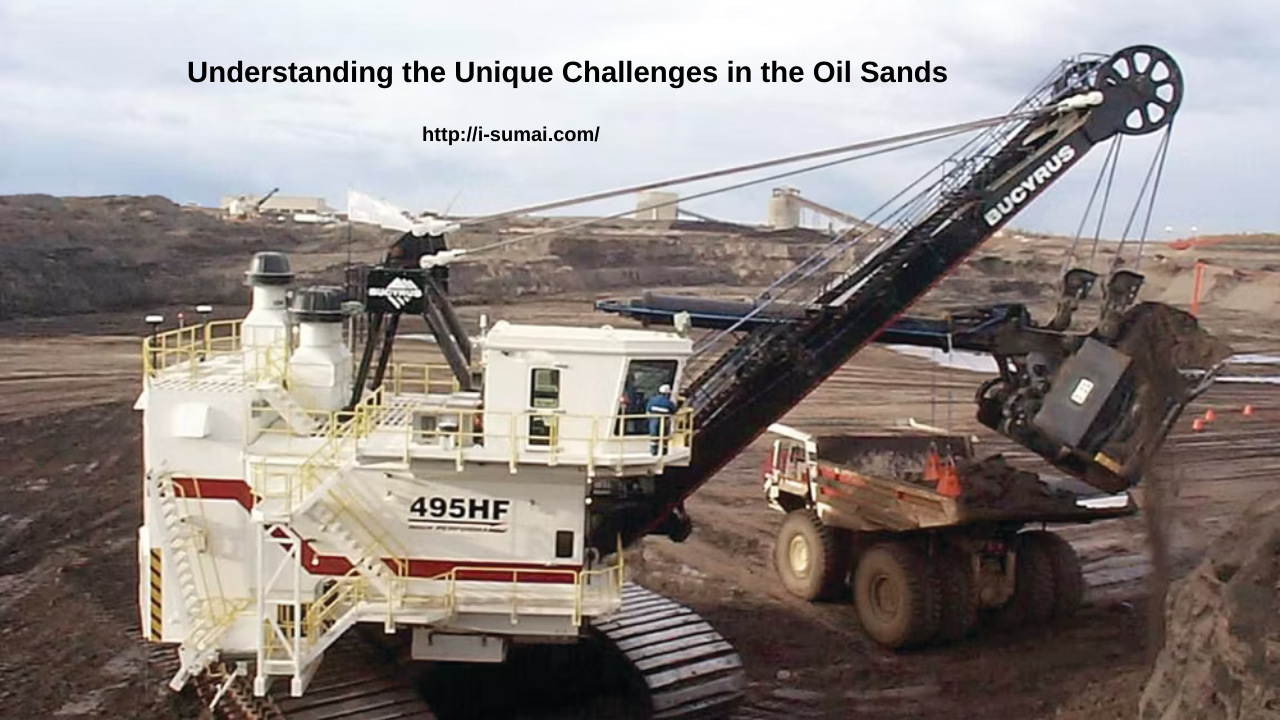
The oil sands industry has powered much of Canada’s economic growth, but the high-pressure environment comes with hidden costs. Long hours, remote living conditions, and the isolation of work camps often create circumstances where drug and alcohol use can become a way to cope. Substance abuse in the oil sands is not just an individual struggle but a community and workplace challenge. Fortunately, innovative approaches to addiction recovery are helping workers find a path toward healing, stability, and renewed purpose.
Understanding the Unique Challenges in the Oil Sands
Oil sands workers face conditions that make them particularly vulnerable to substance abuse. Extended stays in isolated camps separate employees from family support, while physical labor can lead to injuries that sometimes result in dependency on pain medication. Stress, loneliness, and limited recreational outlets only compound the problem.
These factors highlight why standard recovery solutions may not always be enough. Workers in the oil sands often need treatment approaches designed specifically for their environment and lifestyle.
Moving Beyond Stigma Toward Compassionate Care
For many years, substance abuse in the oil sands was viewed mainly through the lens of workplace safety and discipline. Today, however, there is a growing recognition that addiction is a health issue requiring empathy, not punishment. Reducing stigma is a key step in encouraging workers to seek help before their struggles spiral out of control.
Employers, recovery professionals, and mental health advocates are collaborating to ensure that workers feel safe accessing support without fear of judgment or job loss. This cultural shift is one of the most powerful innovations shaping recovery in the industry.
Innovative Approaches to Addiction Treatment
Inpatient and Outpatient Options
Workers are increasingly benefiting from both inpatient and outpatient programs tailored to their schedules and responsibilities. Inpatient care provides a structured, immersive environment for individuals who need focused healing, while outpatient programs allow others to continue working while receiving consistent therapeutic support.
Holistic Healing Models
Recovery is not just about abstaining from substances. Holistic programs consider the whole person, addressing physical, emotional, and spiritual well-being. This may include mindfulness practices, nutritional guidance, fitness activities, and faith-based support for those who find strength in spirituality.
Individualized Treatment Plans
Each worker’s journey is unique. Personalized treatment plans ensure that recovery strategies reflect an individual’s personal history, cultural background, and future goals. This level of customization increases the chances of long-term success and resilience.
Building a Supportive Workplace Culture
Employers play a critical role in shaping recovery outcomes. Many oil sands companies are now offering Employee Assistance Programs (EAPs), on-site counseling, and peer support groups to ensure that workers have accessible resources. Education initiatives are also helping supervisors and colleagues recognize early warning signs and provide encouragement instead of criticism.
A supportive workplace not only helps individuals recover but also improves overall safety, productivity, and morale.
Conclusion: A Path Forward
Substance abuse in the oil sands is a complex issue, but the response is evolving in encouraging ways. By embracing innovative, holistic, and individualized recovery solutions, workers are finding hope and healing where they once faced only stigma and isolation. If you or someone you know is struggling with addiction, remember that help is available. Reaching out for support is the first step toward lasting recovery and a healthier, more fulfilling life.