The Canadian oil sector is no stranger to scrutiny—whether for environmental impact, economic volatility, or labor conditions. But one of its most pressing and often overlooked challenges is addiction among workers. With grueling schedules, remote work camps, and high rates of injury, oil and gas workers are especially vulnerable to substance abuse. The question is: who’s taking responsibility for this crisis—government or industry?
The Scope of the Problem
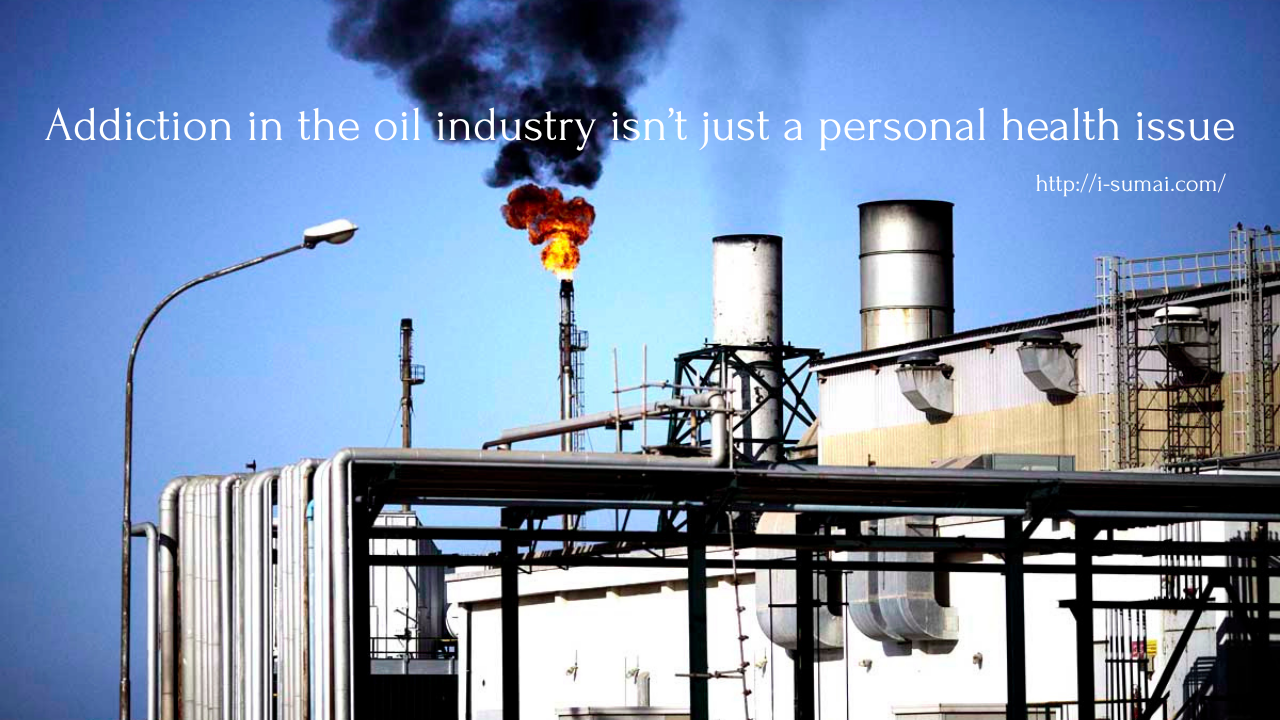
Addiction in the oil industry isn’t just a personal health issue—it’s a workforce safety concern. Long hours, social isolation, and limited access to healthcare in remote regions create a perfect storm for drug and alcohol misuse. Opioid prescriptions for injuries often lead to dependency, while alcohol becomes a coping mechanism for stress and loneliness.
The stakes are high. Substance abuse not only affects individual workers but also poses serious risks in safety-sensitive environments where impaired judgment can lead to catastrophic accidents.
Industry Initiatives: A Ground-Level Response
In recent years, energy companies have taken more initiative in addressing addiction through workplace programs. Many firms have implemented Employee Assistance Programs (EAPs) offering confidential counseling and addiction recovery referrals. Random drug testing, pre-employment screenings, and post-incident evaluations have also become standard protocol across the sector.
Some companies have gone further, launching wellness initiatives that include mental health education, access to naloxone kits, and peer support groups. These initiatives aim to reduce stigma and provide intervention before addiction spirals out of control.
Yet critics argue that many of these measures, particularly testing policies, focus more on punishment than support. Recovery advocates stress that more emphasis is needed on treatment access and long-term support, rather than simply detecting substance use.
Government’s Role: Policy and Public Health
On the other side of the equation, provincial and federal governments have implemented policies aimed at workplace safety and public health. For instance, the Cannabis Act and Occupational Health and Safety (OHS) regulations provide guidelines on workplace impairment. In response to the opioid crisis, governments have expanded access to treatment programs, invested in harm reduction initiatives, and funded community-based mental health services.
Alberta, home to much of the oil sands workforce, has increased its support for addiction treatment centers and launched mobile units to deliver services to remote work camps. Federal initiatives like the Canadian Drugs and Substances Strategy aim to coordinate addiction response across multiple industries and jurisdictions.
However, critics note that government response can be slow and fragmented. With jurisdiction split between federal and provincial levels—and limited coordination with employers—services often fail to reach those who need them most, particularly in remote regions.
Shared Responsibility: The Path Forward
The reality is that neither government nor industry can tackle the addiction crisis alone. Employers have daily contact with affected workers and can offer immediate support, while governments control policy, healthcare funding, and regulation. Collaboration is key.
The most successful programs are those where public agencies and private employers partner to create integrated systems of care: proactive mental health support, accessible treatment, and a culture that encourages recovery over discipline.
Conclusion
The battle against addiction in the oil sector requires leadership from both government and industry. While each has taken important steps, lasting progress depends on shared responsibility, sustained funding, and a commitment to worker well-being. In this fight, collaboration—not competition—will lead the way.