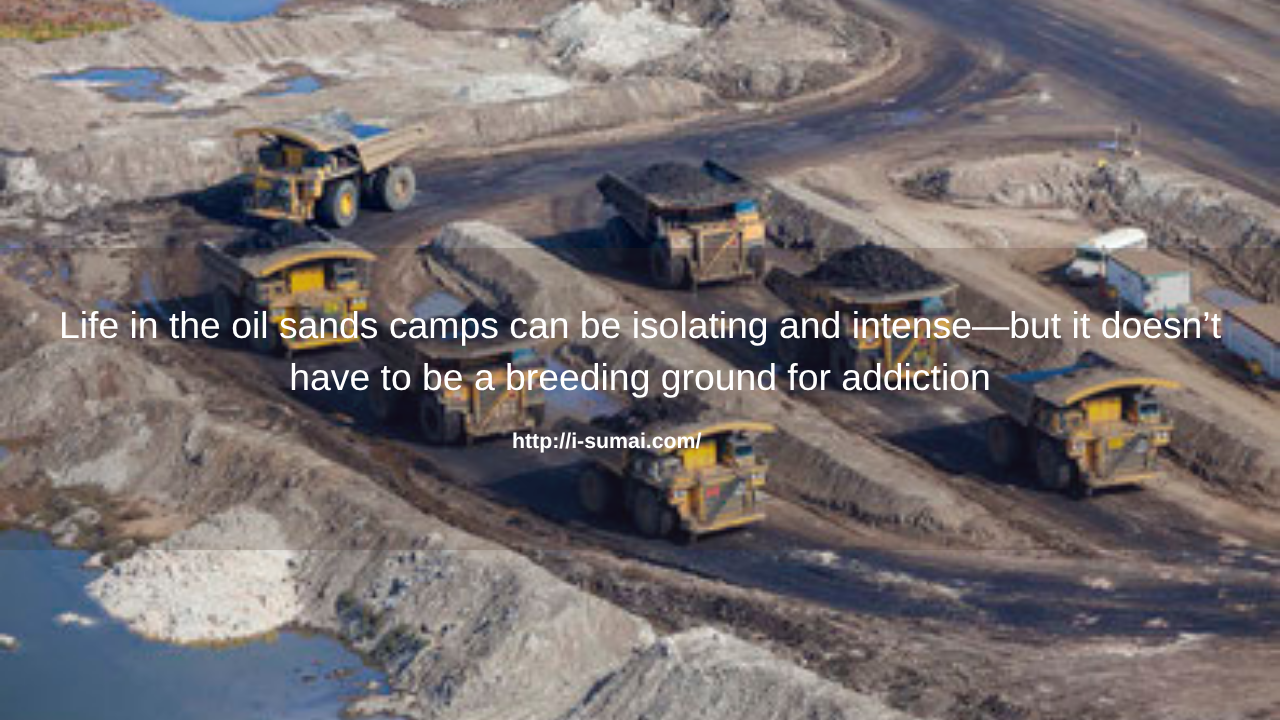
Canada’s oil sands camps, scattered across the remote wilderness of Alberta, are home to thousands of workers who keep one of the country’s most powerful industries running. While these camps are critical to economic success, they are also ground zero for a quieter crisis: substance abuse. Life in the oil sands camps often means isolation, exhaustion, and emotional strain—factors that create fertile ground for addiction to take hold. But as awareness grows, so do efforts to address the issue and support those living life on the edge.
The Pressure Cooker Environment
Working in the oil sands isn’t just physically demanding—it’s emotionally taxing. Workers typically stay in rotational camps for long stretches, sometimes two to three weeks at a time, followed by short breaks at home. The repetition, long hours, and distance from family and community take a toll. The environment fosters feelings of loneliness, disconnection, and mental fatigue.
In such isolated settings, access to recreation, mental health care, or even someone to talk to can be limited. Some workers turn to alcohol or drugs as coping mechanisms, particularly during off-duty hours. Prescription opioids, often used to manage injuries from strenuous labor, can also lead to dependency if not carefully monitored.
The Hidden Toll of Addiction
Addiction in the oil sands camps can quickly spiral. Because these camps are often in isolated areas with limited oversight, substance use can go unnoticed until it becomes a serious safety or health issue. Workers may be reluctant to seek help, fearing judgment or the loss of their job. The stigma surrounding addiction remains a major barrier to recovery.
Yet the consequences are real. Substance abuse increases the risk of accidents on-site, impacts mental health, and can damage both personal lives and professional careers. For employers, the cost comes in the form of lost productivity, higher turnover, and greater demand on health resources.
Support on the Ground
Thankfully, efforts are growing to combat addiction in oil sands camps. Companies are introducing more robust Employee Assistance Programs (EAPs) that offer confidential support for mental health and substance abuse. These programs connect workers to counseling, treatment planning, and even crisis intervention.
Some companies have begun implementing on-site wellness coordinators or mental health liaisons—trained professionals stationed at camps who provide immediate support and referrals. Peer support groups, modeled after 12-step programs, are also becoming more common in the camp environment, helping workers feel less alone in their struggles.
In addition, harm reduction strategies such as providing access to naloxone kits, overdose training, and confidential substance use screenings are helping reduce the risk of fatal incidents while workers seek help.
Changing the Culture
Perhaps the most important shift is cultural. More employers and unions are recognizing that addiction is a health issue, not a moral failing. By promoting openness, compassion, and non-punitive support systems, the oil sands industry is beginning to move away from shame-based responses toward sustainable recovery solutions.
Conclusion
Life in the oil sands camps can be isolating and intense—but it doesn’t have to be a breeding ground for addiction. With targeted programs, open dialogue, and compassionate support, Canada’s oil sector is starting to bring hope to the edge. Addressing addiction head-on is not just the right thing to do—it’s essential for the safety, dignity, and future of its workforce.