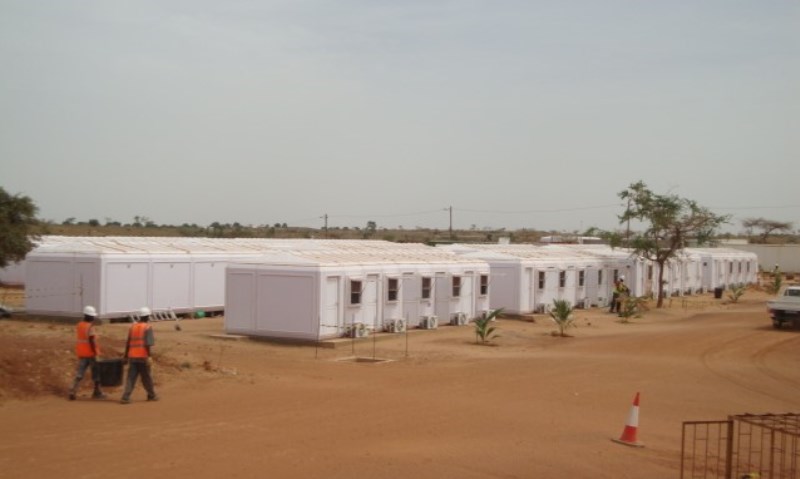
Life in Canada’s oil sands and other remote work camps is demanding, both physically and mentally. Long rotations, isolation from family, and high-pressure work environments create unique challenges for the men and women powering the energy sector. For some, these stressors can lead to substance use and mental health struggles, creating a hidden crisis within an industry known for strength and resilience.
Organizations like i-Sumai are transforming the way recovery and mental health care are approached in these settings. By combining addiction recovery services, inpatient and outpatient care, and holistic, faith-informed approaches, workers are finding the support they need to regain control, rebuild their lives, and maintain wellness beyond the rig.
The Unique Pressures of Remote Work Camps
Remote work camps are inherently isolating. Workers often live on-site for weeks at a time, away from family and social support. The work is physically intense, with safety-critical responsibilities that add additional stress. Over time, fatigue, anxiety, and emotional strain can build, and some workers turn to substances as a coping mechanism.
Understanding these pressures is essential for designing effective mental health and recovery programs. Substance use is often not just a personal challenge—it reflects broader systemic stressors that require compassionate, comprehensive care.
Holistic Approaches to Recovery
Inpatient and Outpatient Programs for Accessibility
i-Sumai offers inpatient treatment programs that provide a structured and safe environment for workers to focus fully on healing. These programs allow participants to step away from the rig and concentrate on recovery without workplace distractions.
For those who cannot take extended time off, outpatient programs provide flexible therapy and counseling options that fit around work schedules. Both approaches ensure that treatment is accessible, effective, and designed to meet the unique needs of remote workers.
Healing the Whole Person
Addiction and mental health challenges affect more than the body—they impact emotions, relationships, and overall quality of life. i-Sumai integrates holistic care, including mindfulness, physical wellness, and emotional support, into recovery plans. Faith-based programs offer spiritual guidance for those seeking purpose and strength, complementing traditional therapies to create a comprehensive healing experience.
Personalized Treatment Plans
Every worker’s journey is unique, and individualized treatment plans are essential. i-Sumai evaluates personal history, workplace stressors, and family dynamics to create a tailored recovery strategy. This ensures that progress is meaningful, sustainable, and aligned with each worker’s goals.
Creating a Culture of Support
Breaking the stigma around mental health and addiction is critical in remote work environments. Employers are increasingly adopting Employee Assistance Programs (EAPs), wellness initiatives, and peer support groups to encourage early intervention.
A culture of care not only benefits the individual but strengthens the entire team. Workers who feel supported are more likely to seek help before problems escalate, improving safety, productivity, and overall well-being in the camp.
Strength Beyond the Rig
Recovery and mental health care are essential for maintaining both personal and workplace resilience in remote oil sands camps. Through compassionate, individualized, and holistic programs, organizations like i-Sumai are helping workers find strength beyond the rig—regaining control of their lives, improving mental wellness, and achieving long-term recovery.
If you or someone you know is struggling with addiction or mental health challenges in a remote work environment, professional help is available. i-Sumai provides evidence-based, faith-informed, and holistic programs designed to guide every individual toward lasting wellness. Recovery starts with a single step—reach out today to begin the journey toward hope, healing, and a healthier future.